
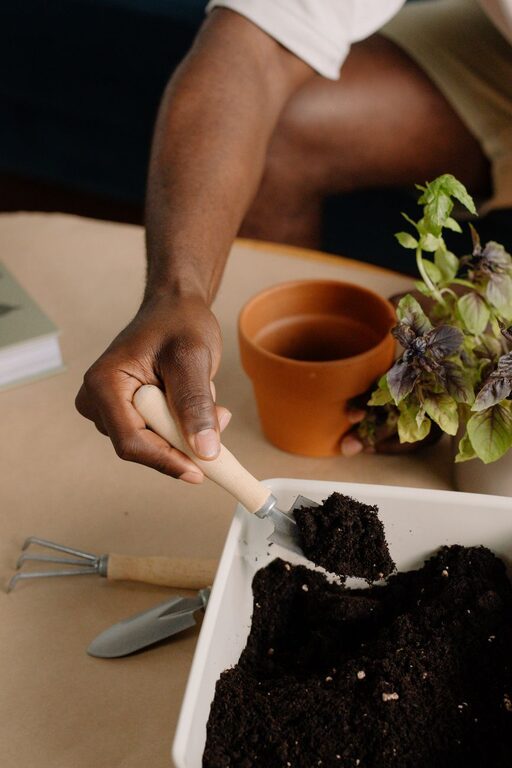
Growing your own herbs indoors is a rewarding and practical way to bring fresh flavors into your kitchen year-round. Whether you have a spacious home or a cozy apartment, starting a small herb garden inside is easier than you might think. This guide will walk you through everything you need to know, from choosing the right herbs to ensuring they thrive in your indoor space.
Why Start an Indoor Herb Garden?
Indoor herb gardens offer many benefits. Fresh herbs enhance your cooking with rich, natural flavors right at your fingertips. Growing herbs indoors means you can enjoy gardening regardless of season or weather outside. Additionally, herbs like basil, mint, and rosemary can improve indoor air quality and add a pleasant aroma to your home.
Choosing the Right Herbs for Indoor Growing
When starting an indoor garden, selecting herbs suited for indoor environments is key. Here are some popular, easy-to-grow options:
– Basil: Loves sunlight and warmth, ideal for sunny windowsills.
– Mint: Grows well in pots, but can spread quickly, so container growing is perfect.
– Parsley: Tolerates moderate light, requires consistent watering.
– Chives: Thrives in bright light, great for fresh garnishes.
– Thyme: Prefers well-drained soil and bright light, drought-tolerant.
– Cilantro: Needs plenty of light and cooler temperatures.
Start with two to three herbs to avoid overcrowding and make maintenance manageable.
Selecting Containers and Potting Soil
Herbs need pots with good drainage. Choose containers with drainage holes to prevent waterlogging, which can cause root rot. Terra cotta pots are a great choice as they allow the soil to breathe. Plastic pots work too but watch for excess moisture.
Use a high-quality, well-draining potting soil specifically designed for container plants. Avoid using garden soil, which can be too dense and may carry pests or diseases.
Finding the Perfect Spot
Most herbs require at least 6 hours of sunlight daily. A south-facing window is ideal for maximum light exposure. If natural light is limited, consider supplementing with a grow light.
Place your herb garden where you’ll see and use it regularly — like your kitchen windowsill or countertop. This helps you remember to care for your plants and makes harvesting convenient.
Planting Your Herbs
You can start your herb garden from seeds or small starter plants.
From Seeds:
- Fill your containers with potting soil, leaving about ½ inch of space at the top.
- Plant seeds according to the depth instructions on the seed packet.
- Lightly water the soil and cover the container with plastic wrap or a humidity dome to retain moisture.
- Place the container in a warm, bright area.
- Remove the cover once seedlings emerge.
- Gently remove the herb plant from its nursery pot.
- Loosen the roots lightly if they are compacted.
- Plant it in your container and fill around with potting soil.
- Water thoroughly.
From Starter Plants:
Watering and Care Tips
Herbs don’t like to be overwatered. Water your plants when the top inch of soil feels dry to the touch. Use room temperature water and water slowly to ensure the roots absorb enough moisture.
Avoid letting water sit in saucers under the pots. Good drainage keeps herbs healthy.
Fertilize your indoor herb garden every 4-6 weeks with a diluted, balanced liquid fertilizer designed for indoor plants. Follow package instructions to avoid overfeeding.
Pruning and Harvesting
Regular pruning encourages bushier, healthier plants. Pinch off flowers as soon as they appear to prevent herbs from going to seed and losing flavor.
Harvest herbs by cutting stems just above a set of leaves. Use sharp scissors or garden shears to avoid damaging the plant. Frequent harvesting also stimulates new growth.
Troubleshooting Common Issues
– Yellow Leaves: Often caused by overwatering or poor drainage.
– Leggy Growth: Insufficient light; try moving the plants closer to a window or adding grow lights.
– Pests: Watch for aphids or spider mites. Wipe leaves with a damp cloth or use insecticidal soap if necessary.
– Wilting: Could be underwatering or root problems; check soil moisture.
Enjoying Your Indoor Herb Garden Year-Round
With a little attention and care, your indoor herb garden can flourish all year, providing fresh, aromatic herbs for cooking, teas, and garnishing. Experiment with different herbs and container styles to find what works best for your space and taste.
Starting small helps build your confidence, and before long, you might expand to include more varieties or even small vegetables in your indoor garden.
—
Creating your indoor herb garden is a wonderful way to connect with nature while adding beauty and utility to your home. Happy gardening!