
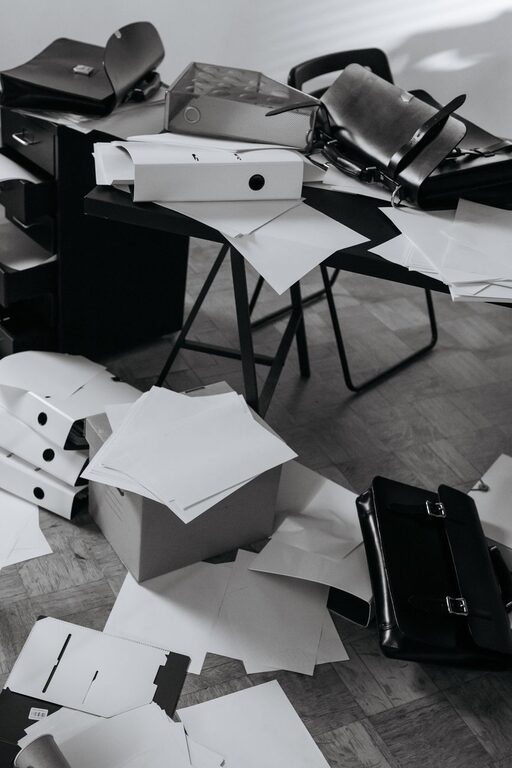
Managing paper clutter is a common challenge in many households. From bills and receipts to school papers and magazines, paper tends to pile up quickly. If left unchecked, it can create stress and make it hard to find important documents when you need them. The good news is that with a few simple habits and tools, you can significantly reduce paper clutter and create a more organized living space. In this post, we’ll explore practical and easy ways to manage paper clutter at home.
Why Reducing Paper Clutter Matters
Before diving into tips, it’s helpful to understand why managing paper clutter is beneficial. Less paper means:
– More space and less mess
– Easier access to important documents
– Reduced stress and distraction
– Environmentally friendly habits by using less paper overall
With these benefits in mind, let’s look at how you can start reducing paper clutter today.
1. Create a Paper Management System
A good system is the foundation for staying organized. Without it, paper can easily pile up again.
Designate a Paper Station
Choose a specific spot in your home where all paper—mail, bills, school work, or forms—will be placed initially. This could be a tray, a basket, or even a drawer.
Sort Immediately
Make it a habit to sort through this paper station daily or a few times a week. Separate papers into categories like:
– Action needed (bills to pay, forms to fill)
– Reference (instructions, warranties)
– To file (important documents)
– Recycle or shred
Having these clear categories can prevent unnecessary buildup.
2. Go Digital Whenever Possible
One of the most effective ways to reduce paper is by embracing digital alternatives.
Switch to Paperless Billing
Many service providers, banks, and utilities offer e-billing options. Signing up not only reduces paper, but also helps you receive statements faster and reduces the risk of lost bills.
Use Digital Note-Taking and Calendars
Replace paper notes and calendars with apps on your phone or computer. Digital notes are easier to organize and search, and they take up zero physical space.
Scan Important Documents
For documents you need to keep but don’t need to access often, consider scanning and storing them securely online or on your computer. Apps and scanners make this process quick and easy.
3. Limit Incoming Paper
Some paper arrives in your home every day, often unnecessarily.
Opt Out of Junk Mail and Catalogs
Contact companies or use services that allow you to reduce or stop junk mail deliveries. You can also register with the Direct Marketing Association to reduce unsolicited mail.
Unsubscribe from Paper Publications
If you subscribe to magazines or newsletters that arrive in print but are also available online, consider switching to the digital version.
4. Organize and Store What You Need
While reducing paper is important, some documents must be kept for reference or legal reasons.
Use Clearly Labeled Folders
Invest in a filing system with folders clearly labeled by category, such as taxes, medical records, warranties, and insurance. Keeping files organized makes it easy to find papers and prevents piles from forming.
Store Important Papers Safely
For documents like birth certificates, social security cards, and legal paperwork, consider a fireproof safe or secure digital backup.
5. Regularly Purge Paper
Decluttering is an ongoing task, not a one-time event.
Schedule Monthly or Quarterly Reviews
Take time every month or quarter to go through your paper files and discard anything no longer needed. This will keep your collection manageable.
Recycle or Shred Unnecessary Documents
Make sure to securely shred documents containing personal information before recycling. This helps protect your privacy.
6. Develop Good Habits
Consistency is key to preventing paper clutter from returning.
– Handle mail as soon as it enters your home.
– Immediately throw away or recycle junk mail.
– Keep your paper management system updated.
– Encourage family members to follow the same practices.
Conclusion
Reducing household paper clutter doesn’t have to be overwhelming. With a few simple habits—creating a paper station, going digital, limiting incoming paper, organizing essentials, regularly purging, and staying consistent—you can keep your home clutter-free and enjoy a more peaceful environment. Start small today, and over time, these changes can make a big difference in how you manage paper in your home.