
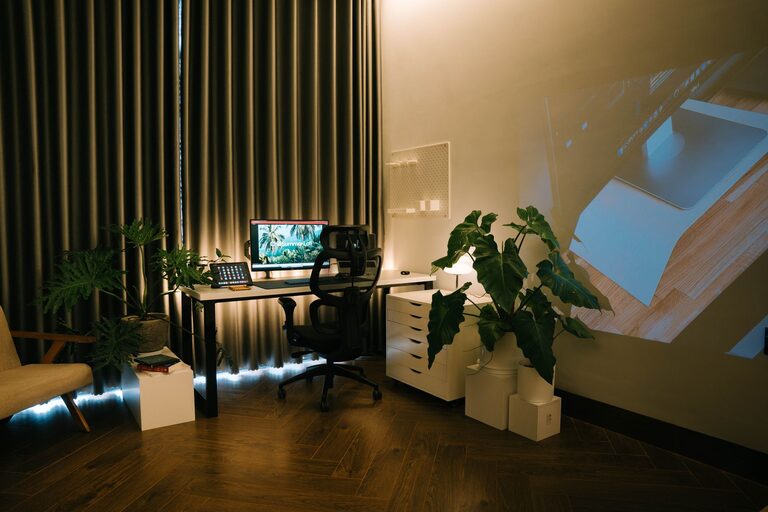
Creating a relaxing home workspace is essential for maintaining productivity and well-being, especially as more people work from home. A well-designed workspace not only helps you focus but also reduces stress and enhances creativity. In this post, we’ll explore practical steps to create a calming and efficient home office tailored to your needs.
Why a Relaxing Home Workspace Matters
Working from home can blur the boundaries between personal and professional life. Without a designated, peaceful workspace, distractions can pile up, leading to decreased productivity and increased anxiety. A relaxing environment encourages better concentration and helps separate worktime from downtime, promoting a healthier work-life balance.
Choosing the Right Location
Find a Dedicated Space
Choose a spot in your home where you can set up your workspace permanently. This could be a spare room, a corner in the living room, or even a part of your bedroom. Having a dedicated space signals to your brain that it’s time to focus.
Consider Natural Light
Position your desk near a window if possible. Natural light boosts mood and reduces eye strain. If natural light is limited, invest in good-quality, adjustable lighting to keep your workspace bright and inviting.
Setting Up Your Workspace
Comfortable Furniture
Invest in an ergonomic chair and a desk that fits your height to avoid physical discomfort. Sitting correctly prevents back and neck pain and improves focus.
Keep It Organized
A clutter-free desk helps minimize distractions. Use organizers, shelves, or drawers to keep essential items within reach but out of your immediate workspace.
Personalize Your Space
Add personal touches such as plants, artwork, or a favorite mug. These elements make your workspace feel welcoming and can improve your mood.
Adding Calming Elements
Use Soothing Colors
Choose colors that promote calmness, like soft blues, greens, or neutrals. These shades can create a peaceful atmosphere conducive to productive work.
Incorporate Nature
Houseplants not only beautify your space but also improve air quality and reduce stress. Even a small succulent can make a difference.
Play Gentle Background Sounds
Consider soft background music or nature sounds to drown out distractions and create a relaxing ambiance.
Managing Technology and Distractions
Keep Technology in Check
Organize cables and equipment to avoid a messy, chaotic environment. Use wireless devices if possible and keep your screen clean.
Set Boundaries
Inform family members or roommates of your work hours to minimize interruptions. Use headphones to signal when you’re focused.
Take Breaks
Incorporate short breaks into your day to stretch, move around, or practice mindfulness. This helps refresh your mind and reduces fatigue.
Maintaining Your Workspace
Daily Tidying
Spend a few minutes at the end of each day to tidy your desk. A clean workspace in the morning sets a positive tone.
Review and Adjust
Periodically assess your setup and make changes as needed. Your workspace should evolve with your needs and preferences.
Conclusion
Creating a relaxing home workspace involves thoughtful planning, organization, and personalization. By selecting the right location, adding calming elements, and managing distractions, you can build an environment that supports both productivity and well-being. Start with small changes today to transform your work-from-home experience into a more enjoyable and efficient routine.