
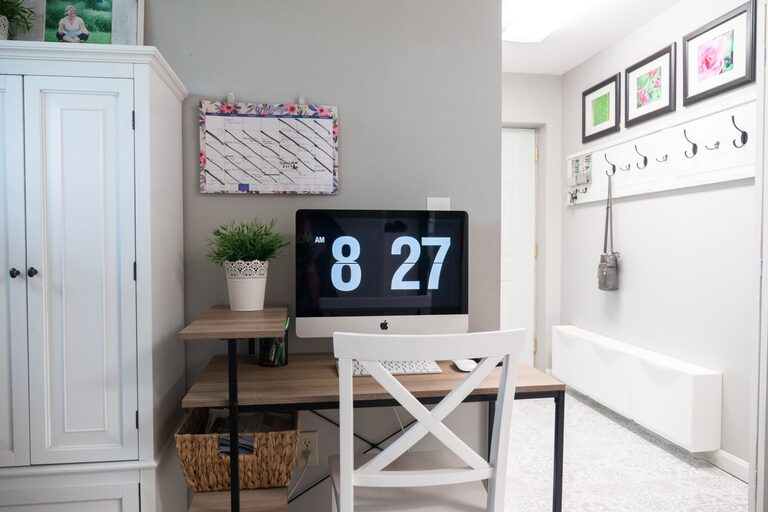
Setting up a family command center is a fantastic way to bring order and efficiency to your home. Whether you have kids, busy schedules, or just want to keep important information in one spot, a command center helps your family stay connected and on track. In this guide, you’ll learn how to design and organize a command center that works for your household.
What Is a Family Command Center?
A family command center is a dedicated space in your home where you organize calendars, mail, important documents, and daily reminders. It serves as a central hub for family communication and planning. This can be as simple as a bulletin board and a calendar on the wall or as elaborate as a full wall setup with organizers, chalkboards, and tech devices.
Benefits of Having a Family Command Center
– Improved communication: Everyone knows where to find schedules and updates.
– Reduced clutter: Keeps paperwork and mail organized instead of scattered.
– Time savings: Quickly see appointments and important dates at a glance.
– Stress reduction: Fewer last-minute surprises or missed activities.
Choosing the Right Location
The first step is to pick where your family command center will live. Look for a spot that’s easily accessible to all family members, such as:
– The kitchen or dining area, where everyone passes through daily.
– A hallway or mudroom.
– Near the home’s main entry or exit.
Make sure there is enough wall space and room for the materials you plan to use. Good lighting is also helpful.
Essential Components to Include
1. Calendar
A calendar is the heart of your command center. Use a large wall calendar or a whiteboard calendar to track:
– School events
– Appointments
– Extracurricular activities
– Work schedules
Some families prefer digital calendars synced across devices, but a visible paper calendar helps everyone stay aware.
2. Message Center
Add a spot for notes and reminders like:
– To-do lists
– Grocery lists
– Appointment reminders
– Chore charts
You can use a corkboard, magnetic board, or clipboards to keep notes visible and easy to update.
3. Mail and Paper Organizer
Keep incoming and outgoing mail, school papers, and important documents organized with baskets, file holders, or wall-mounted slots. Label sections for:
– Outgoing mail
– Bills to pay
– Schoolwork to review
– Important notices
4. Key and Device Holder
Reduce lost keys and misplaced devices by dedicating hooks or small shelves near the command center. This helps keep everyday essentials in one place.
5. Supplies Station
Stock basic supplies like pens, markers, scissors, and tape nearby. A small container or drawer can keep these handy for quick note-taking or crafts.
Optional Extras
– Chalkboard or whiteboard: For daily messages, inspirational quotes, or weekly menus.
– Charging station: A spot to charge phones and tablets.
– Family photos or artwork: Personalize your space to make it inviting.
– Pocket charts or bins: Great for organizing coupons, receipts, or small items.
Step-by-Step Setup Tips
Step 1: Gather Your Supplies
Choose or repurpose items that fit your style and needs. Thrift stores and dollar stores are great for affordable organizers.
Step 2: Plan Your Layout
Use painter’s tape or paper templates to map out where each component will go on the wall. Consider flow and accessibility.
Step 3: Install Your Components
Mount calendars, boards, and organizers securely. Use nails, screws, or strong adhesive hooks depending on the weight and wall type.
Step 4: Personalize and Stock
Add labels, photos, and favorite colors. Fill organizers with initial supplies and materials.
Step 5: Establish Family Habits
Explain the system to everyone. Encourage family members to check the center daily and contribute to updates.
Tips for Maintaining Your Command Center
– Weekly review: Spend a few minutes each week updating calendars and clearing clutter.
– Rotate seasonal items: Swap out event schedules or chore charts to keep it relevant.
– Encourage participation: Make it a family routine to add new notes or reminders.
– Keep it flexible: Adjust components as your family’s needs change over time.
Conclusion
A family command center isn’t just about staying organized; it helps build a sense of teamwork and routine in your household. By creating a central spot for calendars, mail, and reminders, you’ll reduce daily stress and make managing your family’s busy life easier. Start small, customize your space, and watch how this simple setup can make a big difference in your home!