
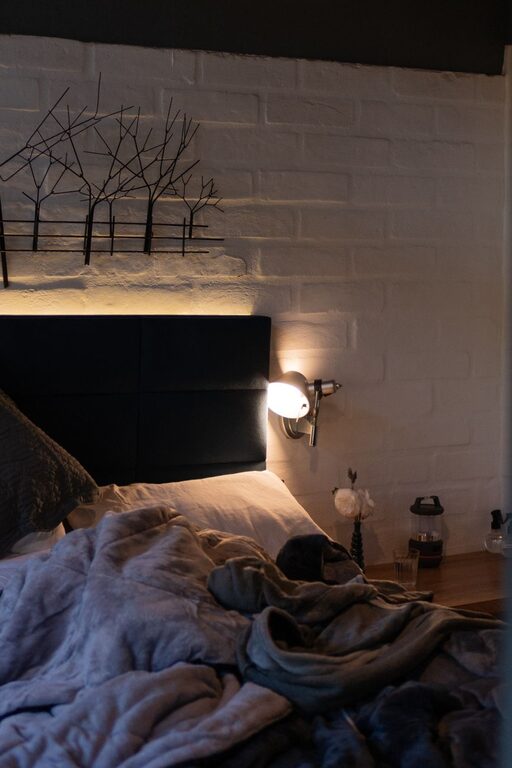
Creating a comfortable home environment involves many factors, and lighting plays a crucial role in setting the right mood and atmosphere. Choosing the right lighting can enhance the functionality of your space while making it feel cozy and inviting. Whether you’re updating your lighting fixtures or planning a new setup, these tips will help you select comfortable home lighting that suits your needs and style.
Understanding the Importance of Comfortable Lighting
Lighting affects how we perceive a room and influences our mood and productivity. Harsh, overly bright lights can cause eye strain and discomfort, while dim or uneven lighting may make a space feel gloomy. Comfortable lighting strikes the perfect balance by being soft, well-distributed, and adaptable to different activities.
Tips for Choosing Comfortable Home Lighting
1. Consider the Purpose of Each Room
Each room in your home has a unique function, and the lighting should support that. For example:
– Living Room: A mix of ambient lighting with task lights (like reading lamps) creates a versatile space.
– Kitchen: Bright, focused lighting helps with cooking and food prep.
– Bedroom: Soft, warm lighting promotes relaxation.
– Bathroom: Clear, bright lighting is ideal for grooming, but avoid harsh overhead lights.
Understanding how you use each room will help you choose the right type and intensity of lighting.
2. Opt for Warm Light Temperatures
Light color temperature is measured in Kelvins (K). For comfortable home environments, warm light temperatures (around 2700K to 3000K) are preferred. This range produces a cozy, yellowish light that is easy on the eyes and creates a welcoming atmosphere.
Avoid cool or blue-toned lights in living spaces, as they can feel sterile or harsh.
3. Choose Adjustable Lighting Solutions
Having control over your lighting levels lets you create the perfect ambiance at any time. Consider:
– Dimmer switches: Allow you to easily adjust brightness.
– Smart bulbs: Offer customizable color temperatures and brightness through apps.
– Multiple light sources: Layer lighting with ceiling lights, floor lamps, and table lamps to tailor the mood.
Adjustable lighting is especially useful in multifunctional rooms.
4. Use Layered Lighting
Layered lighting involves combining different types of lighting to achieve balance and flexibility:
– Ambient lighting: General illumination from ceiling fixtures or wall sconces.
– Task lighting: Focused light for specific activities like reading or cooking.
– Accent lighting: Highlights artwork, plants, or architectural features.
This approach helps prevent shadows and glare, while offering options for different moods and tasks.
5. Pay Attention to Fixture Placement
Where you place your lights affects comfort and usability:
– Avoid positioning lights directly overhead in seating areas to reduce glare.
– Use lamps with shades to diffuse light softly.
– Position task lights close enough to provide adequate illumination without harsh shadows.
Thoughtful placement enhances both comfort and aesthetics.
6. Select Energy-Efficient Bulbs
Comfortable lighting doesn’t have to come at a high energy cost. LED bulbs are a popular choice because they:
– Use less electricity than traditional bulbs.
– Last longer, reducing replacement frequency.
– Are available in various color temperatures and brightness levels.
Choosing energy-efficient bulbs benefits your wallet and the environment without sacrificing comfort.
7. Consider Natural Light Integration
Natural daylight is one of the most comfortable sources of light. Maximize it by:
– Using sheer curtains that diffuse sunlight without blocking it.
– Placing mirrors to reflect natural light into darker corners.
– Arranging furniture so that work or reading areas take advantage of window light.
Balancing natural and artificial lighting creates a dynamic and pleasant environment throughout the day.
8. Avoid Flickering and Harsh Glare
Flickering lights and glare can cause eye fatigue and headaches. To prevent these issues:
– Choose high-quality bulbs known for stable light output.
– Use lampshades or diffusers to soften direct light.
– Check that dimmers and smart controls are compatible with your bulbs.
Ensuring smooth, gentle illumination enhances overall comfort.
Conclusion
Choosing comfortable home lighting is about understanding your space, lifestyle, and preferences. Focus on warm light temperatures, layered lighting, adjustable fixtures, and strategic placement to create an inviting and functional atmosphere. Don’t forget to incorporate natural light and select energy-efficient bulbs for a modern, eco-friendly solution. With these tips in mind, you’ll enjoy a beautifully lit home that feels just right.